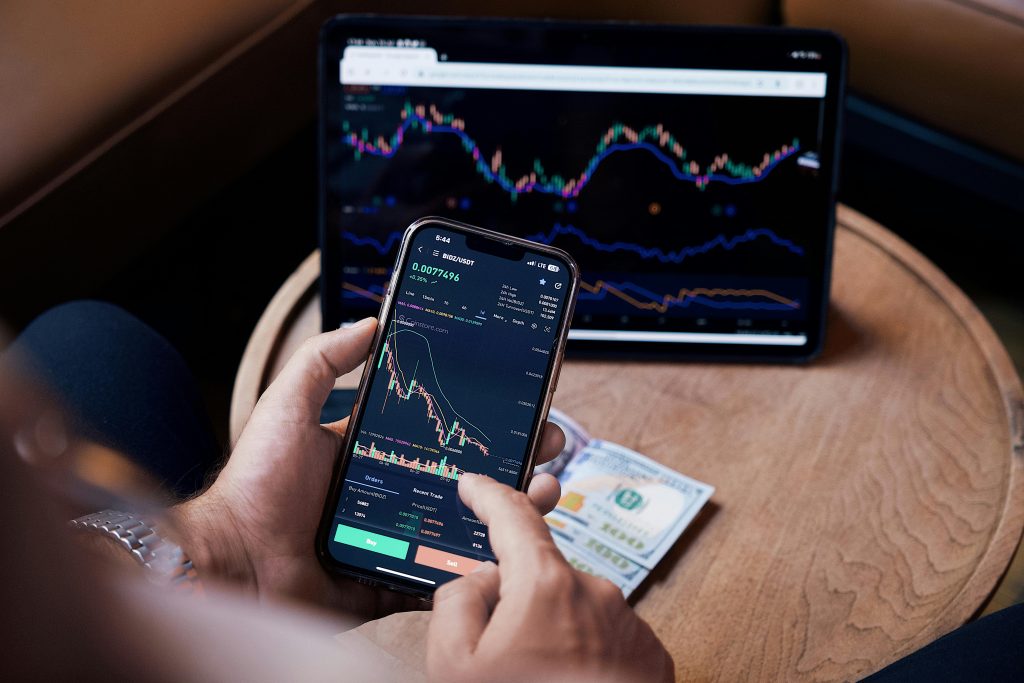
Financial markets are, by nature, unpredictable. While history shows us that markets trend upward over the long term, the journey is rarely smooth. Periods of volatility can test even the most disciplined investors, leading to emotional decision-making that can be detrimental to long-term financial success. As a financial advisor, I’ve seen firsthand how fear and uncertainty can drive investors away from their carefully planned strategies. The key to long-term success? Staying the course and acting rationally, even when the market behaves irrationally.
Understanding Market Volatility
Market downturns, corrections, and crashes are an inevitable part of investing. While they may seem alarming in the moment, they are not unusual. The most successful investors recognize that short-term fluctuations are a natural component of the market cycle. They focus on long-term goals rather than reacting to daily headlines or market speculation.
The Role of Emotions in Investing
Fear and greed are two powerful emotions that can cloud judgment. When markets drop, fear often leads investors to panic-sell, locking in losses. On the other hand, when markets soar, greed can drive people to chase performance, often buying at inflated prices. Both reactions are counterproductive and can derail a sound investment plan.
Strategies for Staying the Course
To navigate irrational markets with confidence, consider these key strategies:
- Stick to Your Financial Plan
A well-structured financial plan is designed to withstand market volatility. If your goals haven’t changed, neither should your investment approach. Regularly review your plan with your advisor to ensure it aligns with your risk tolerance and financial objectives. - Maintain a Diversified Portfolio
Diversification helps reduce risk by spreading investments across different asset classes. A properly diversified portfolio can help cushion against extreme market swings, allowing you to remain invested with confidence. - Avoid Market Timing
Trying to predict market highs and lows is a losing game. Research consistently shows that time in the market is more valuable than attempting to time the market. Staying invested through ups and downs has historically led to better long-term outcomes. - Rebalance When Necessary
Market fluctuations can shift your portfolio allocation over time. Periodic rebalancing ensures you maintain your target asset mix and continue working toward your goals. - Tune Out the Noise
The financial media thrives on sensational headlines, but reacting impulsively to news cycles can lead to poor decisions. Instead, focus on facts, long-term trends, and guidance from trusted financial professionals.
The Power of Patience and Perspective
Historically, markets have recovered from downturns and rewarded patient investors. Whether it was the 2008 financial crisis, the dot-com bubble, or the COVID-19 market dip, those who stayed invested emerged stronger. Investing is a long-term journey, and short-term turbulence should not overshadow well-laid plans.
Final Thoughts
Market irrationality can be unsettling, but making knee-jerk reactions can do more harm than good. By maintaining a disciplined approach, focusing on long-term goals, and working with a trusted financial advisor, you can navigate volatility with confidence. Stay the course, trust the process, and let time and strategy work in your favor.
If you need guidance in staying focused on your financial goals, reach out—We are here to help you make informed, rational decisions, no matter what the markets are doing.