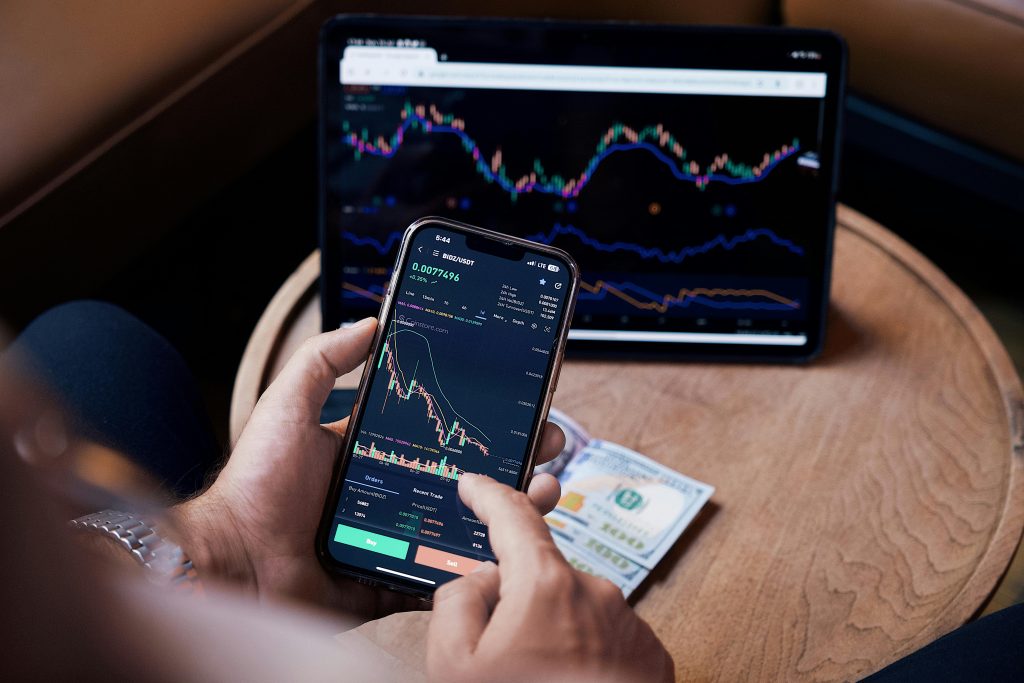
As South Africa continues to face an unpredictable economic landscape, more South African investors are considering offshore investments as a way to diversify their portfolios and mitigate risk. The global economy, particularly in the wake of Donald Trump’s political influence, has seen its fair share of instability, making it crucial for investors to stay informed about international trends and how to make strategic moves for long-term wealth preservation.
Why South Africans Should Consider Offshore Investments
South African investors often face a volatile local market, with fluctuations in the exchange rate, political uncertainty, and inflation affecting the value of their savings. Offshore investments offer an opportunity to protect wealth from these risks and tap into the growth potential of foreign markets. By diversifying beyond the local market, investors can spread their risk across different asset classes, industries, and geographies, which helps to stabilize returns.
For South Africans, offshore investing has become especially appealing due to the weakening rand, which can erode purchasing power in the long run. By investing abroad, particularly in hard currencies like the US dollar or the euro, investors can protect their capital from local currency depreciation and benefit from foreign exchange gains.
The Impact of Donald Trump on Global Markets
Since Donald Trump’s presidency, the global economy has experienced significant shifts, from trade tensions to tax cuts and regulatory changes. Trump’s economic policies, particularly around tariffs, international trade, and his approach to fiscal matters, have had a profound influence on global markets, including those in the United States and beyond.
Here are a few key considerations for South African investors who are trying to make sense of the uncertain global market influenced by Trump:
1. Trade War Tensions and Global Supply Chains
During Trump’s tenure, the US engaged in trade wars, notably with China, resulting in tariffs and disruptions to global supply chains. While the Biden administration has taken a different approach, the consequences of these trade policies linger, and tensions between major world economies remain high. This can create volatility in global markets, particularly in industries reliant on international trade. South African investors may want to consider investing in markets or sectors less impacted by these trade disputes.
2. US Market Performance and Interest Rates
Under Trump’s leadership, the US stock market experienced a period of strong growth, driven by tax cuts and deregulation. However, global investors should stay aware of how changing interest rates (which are influenced by US Federal Reserve policies) can affect equity valuations. The tightening of US monetary policy can lead to higher borrowing costs, slowing down the growth of companies, which in turn impacts stock prices.
As interest rates rise, the bond market may become more attractive compared to equities, which could shift investor focus away from high-growth stocks toward more stable, income-generating assets.
3. Political and Economic Instability
Trump’s controversial policies, especially on issues like immigration, foreign relations, and climate change, have introduced a level of unpredictability into the global political scene. Though the US political environment has shifted since Trump left office, his influence on global geopolitics continues. South African investors should monitor any potential geopolitical risks or policy shifts that could affect their offshore investments, particularly in the US.
Strategies for Offshore Investment in an Uncertain Market
Given the current global instability, it’s essential for South African investors to approach offshore investments with caution. Here are some strategies to consider:
1. Diversify Across Regions
Rather than focusing solely on the US or Europe, investors should diversify their offshore portfolios across various regions. Emerging markets, for example, can provide high-growth potential but also come with added risk. A mix of developed and emerging markets can balance these risks.
2. Focus on Defensive Assets
In times of market uncertainty, defensive assets such as bonds, dividend-paying stocks, and gold can act as safe havens. These investments can provide stable income and act as a hedge against volatility. For instance, precious metals like gold tend to perform well during periods of global instability, making them an attractive option for investors looking to preserve wealth.
3. Consider Currency Hedging
With the rand’s fluctuating value, currency risk is a real concern for South African investors. One way to reduce exposure to currency volatility is through currency-hedged investment products. These allow investors to mitigate the impact of currency movements while still benefiting from offshore growth.
4. Monitor US Policy and Election Impacts
US policies under both Trump and Biden have had far-reaching effects on global markets. By staying informed about potential policy changes, such as tax reforms or infrastructure investments, South African investors can better position themselves to take advantage of growth opportunities in US markets. Presidential elections, especially in a divided political climate, may also create short-term market volatility that savvy investors can capitalize on.
Conclusion: The Need for a Long-Term View
Investing offshore in an uncertain market requires careful planning, diversification, and a long-term perspective. While Trump’s influence on global markets has undoubtedly created volatility, it’s important for South African investors to take a step back and focus on long-term wealth preservation rather than short-term market fluctuations.
By understanding the risks and opportunities presented by global political shifts, economic trends, and changing market dynamics, South African investors can make informed decisions about their offshore investments. Ultimately, the key is to balance risk with opportunity, diversify across different asset classes and regions, and remain adaptable to an ever-changing global economic environment.
As always, seeking advice from financial advisors or investment professionals is highly recommended to navigate the complexities of offshore investing in an uncertain market.
Mid-Year Global Economic Outlook 2026
Global Markets Face New Challenges, But Long-Term Investing Still Prevails The first half of 2026 has reminded investors that markets
Global Economic Outlook – Q1 2026
By Pristine Wealth | Independent advice, Tailored Wealth What South African Investors Should Do Now For South African investors,

GEPF Pre-1998 Tax Benefit: Don’t Retire Before Reading This
By Pristine Wealth | Independent Advice. Tailored Wealth. If you are a Government Employees Pension Fund (GEPF) member in South
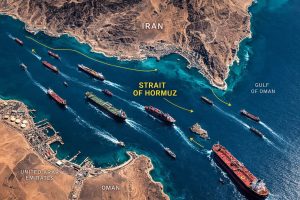
When Global Conflict Impacts Your Investments
By Pristine Wealth | Independent Advice, Tailored Wealth In recent weeks, rising geopolitical tensions involving Iran have once again reminded

2026: Why established investors should move beyond autopilot portfolios
By Pristine Wealth | Independent Advice, Tailored Wealth 2026: A Strategic Investment Year for High-Net-Worth Investors The beginning of a

GEPF Component Transfer: What Every Member Should Know
By Pristine Wealth | Independent Advice, Tailored Wealth Why this matters for GEPF members nearing retirement As a Government Employees