
By Pristine Wealth | Independent Advice, Tailored Wealth
In recent weeks, rising geopolitical tensions involving Iran have once again reminded the world how quickly global events can influence financial markets. News headlines often focus on potential military escalation, oil supply disruptions, and political instability in the Middle East.
For investors, these developments naturally raise an important question:
What does this mean for my investments?
The answer is both more complex—and more reassuring—than many people expect.
Why the Middle East Matters to Global Markets
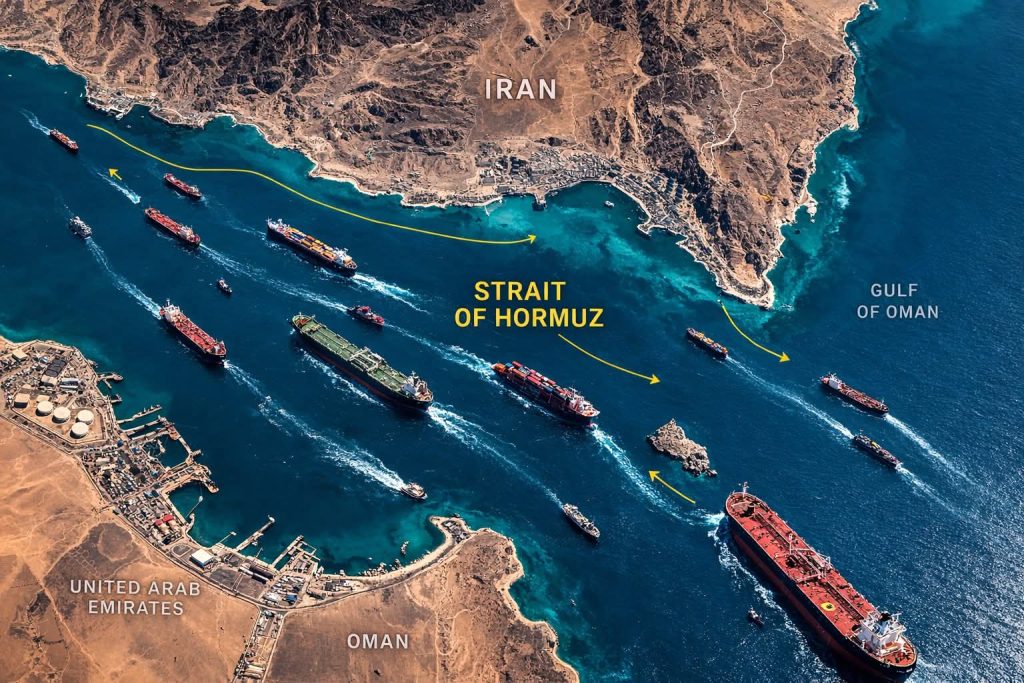
The Middle East remains one of the most strategically important energy regions in the world. Iran sits near the Strait of Hormuz, a narrow waterway through which roughly 20% of the world’s oil supply passes each day.

Any instability in this region can have immediate implications for energy markets. Even the possibility of supply disruption often causes oil prices to rise as traders price in potential risk.
Higher oil prices can then ripple through the global economy by:
- Increasing transport and manufacturing costs
- Pushing inflation higher
- Affecting interest rate expectations
- Creating volatility in equity markets
However, it is important to remember that markets have navigated geopolitical shocks many times before.
Markets Are Built to Absorb Shocks
History shows that geopolitical crises often cause short-term market volatility, but rarely determine long-term investment outcomes.
Events such as the Gulf Wars, the Arab Spring, and the Russia–Ukraine conflict initially created market turbulence. Yet global markets ultimately adjusted as supply chains shifted, production increased elsewhere, and economies adapted.
Financial markets are remarkably resilient systems.
Businesses continue to operate, innovate, and grow—even during uncertain political environments.
For long-term investors, this resilience is one of the most important reasons not to react emotionally to short-term headlines.
Oil Shocks Do Not Affect All Companies Equally
A spike in oil prices may negatively affect some industries while benefiting others.
For example:
Potentially pressured sectors
- Airlines
- Transportation and logistics
- Energy-intensive manufacturing
Potential beneficiaries
- Oil and gas producers
- Energy infrastructure companies
- Certain commodity exporters
This is one of the reasons diversification remains such a powerful risk management tool. A properly diversified portfolio spreads exposure across industries, regions, and asset classes.
When one part of the market struggles, another often compensates.
The Role of Professional Portfolio Construction
For investors, the real protection against global uncertainty does not come from predicting geopolitical events. Instead, it comes from how portfolios are constructed in the first place.
Well-structured portfolios typically incorporate:
- Global diversification across multiple economies
- Exposure to different asset classes
- Professional fund managers with disciplined investment processes
- Long-term strategic asset allocation
Experienced investment managers constantly evaluate macroeconomic developments, geopolitical risks, and market valuations. When necessary, they adjust portfolio exposures to reflect changing conditions.
This ongoing oversight helps ensure portfolios remain aligned with long-term objectives rather than short-term noise.
Why Staying Invested Matters
One of the greatest risks investors face during periods of geopolitical tension is the temptation to move to cash in response to alarming news.
Unfortunately, history shows that the strongest market recoveries often occur soon after periods of uncertainty, when sentiment is still fragile.
Investors who exit markets during volatility often miss these rebounds.
Remaining invested within a well-diversified strategy allows portfolios to participate in the eventual recovery.
A Calm Perspective in Uncertain Times
Geopolitical events will always remain part of the global landscape. While they can influence markets in the short term, they rarely derail the long-term trajectory of well-managed portfolios.
For investors, the key is not predicting the next crisis but ensuring that their investments are structured to withstand uncertainty and adapt as conditions evolve.
At Pristine Wealth, our approach focuses on building globally diversified portfolios using carefully selected investment funds and professional managers who actively navigate changing market conditions.
The goal is simple: to ensure that your wealth strategy remains robust, resilient, and aligned with your long-term financial goals—regardless of what the headlines may bring.
Pristine Wealth
Independent Advice. Tailored Wealth.

