Global Markets Face New Challenges, But Long-Term Investing Still Prevails
The first half of 2026 has reminded investors that markets rarely move in a straight line. While many entered the year expecting lower inflation, falling interest rates and improving economic growth, the global landscape has once again been shaped by geopolitical uncertainty, elevated energy prices and slower economic momentum.
Although short-term uncertainty remains, history continues to show that disciplined, diversified investors are rewarded for remaining focused on their long-term financial objectives rather than reacting emotionally to temporary market events.
Global Growth Remains Positive, But Has Slowed
International organisations have recently revised global economic growth expectations slightly lower as higher energy prices and geopolitical tensions weigh on business confidence and consumer spending. While the global economy continues to expand, growth is expected to remain below the long-term average during 2026.
Several major economies continue to perform differently:
- United States – Economic growth has remained relatively resilient, supported by a strong labour market, continued corporate investment and ongoing technological innovation.
- Europe – Higher energy costs and weaker industrial activity continue to place pressure on economic growth.
- China – The economy continues to recover unevenly as policymakers attempt to stabilise the property sector while encouraging domestic consumption.
- India – India remains one of the world’s fastest-growing major economies, supported by strong domestic demand and investment.
Rather than experiencing a global recession, the world economy appears to be navigating a period of slower, but still positive, growth.
Inflation Has Become More Complicated
Over the past two years, investors have become accustomed to inflation gradually moving lower.
However, renewed geopolitical tensions and higher oil prices have delayed that progress. Increased energy costs affect almost every part of the global economy, from transport and manufacturing to food production and consumer prices.
As a result, central banks are likely to remain cautious before making significant interest rate reductions. Inflation is expected to continue moderating over time, but the journey is proving less straightforward than markets anticipated earlier this year.
Interest Rates May Stay Higher for Longer
One of the biggest changes in market expectations during recent months has been the outlook for interest rates.
Earlier expectations of rapid interest rate cuts have largely been replaced by a more gradual approach. Central banks continue to balance two competing objectives:
- Supporting economic growth.
- Preventing inflation from becoming entrenched again.
This means investors should expect interest rates to remain relatively elevated until inflation shows sustained evidence of returning toward central bank targets.
Geopolitics Has Returned as a Major Market Driver
Political and military developments have once again become important drivers of financial markets.
Recent conflict in the Middle East has increased uncertainty surrounding global energy supplies, while ongoing trade tensions and supply chain adjustments continue to influence international commerce.
These events can create periods of market volatility, but they also reinforce an important investment principle:
Short-term market movements are impossible to predict consistently, while long-term economic progress has historically continued despite periods of uncertainty.
What Does This Mean for Investors?
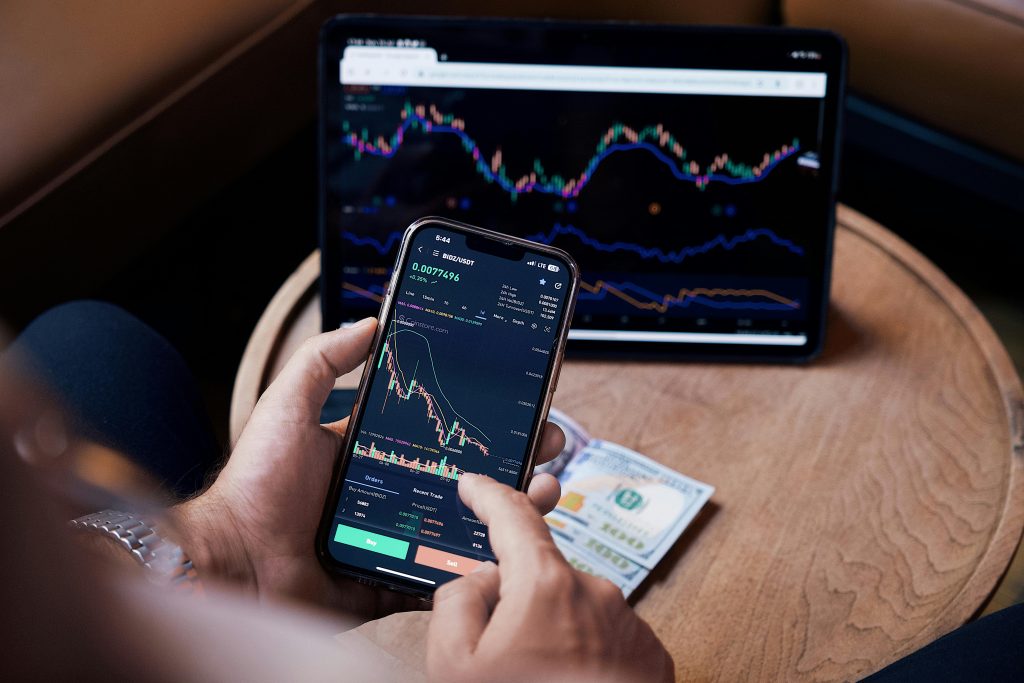
Periods like these often tempt investors to make emotional decisions.
History shows that attempting to move in and out of markets based on headlines is rarely successful. Instead, investors should focus on factors they can control:
- Maintaining an appropriate long-term investment strategy.
- Remaining diversified across different asset classes and regions.
- Reviewing portfolios regularly rather than reacting to daily news.
- Continuing to invest consistently where possible.
- Ensuring investment decisions remain aligned with personal financial goals rather than short-term market sentiment.
Market volatility should not automatically be viewed as a threat—it can also create opportunities for disciplined long-term investors.
Implications for South African Investors
South African investors face the additional challenge of balancing local economic conditions with global opportunities.
Diversification across both local and international markets remains increasingly important. Exposure to global businesses, different currencies and multiple economies can help reduce concentration risk while providing access to sectors that may not be well represented within the South African market.
At the same time, local investments continue to play an important role in generating income, providing inflation protection and supporting long-term retirement planning.
A carefully constructed portfolio should combine both local and offshore investments in proportions appropriate for each investor’s individual objectives and tolerance for risk.
Looking Ahead
While the remainder of 2026 is likely to remain characterised by periods of uncertainty, investors should remember that uncertainty is a normal feature of investing—not an exception.
Economic cycles change, interest rates eventually normalise, and markets adapt to new information over time.
Rather than attempting to predict every market movement, successful investing is built on patience, discipline and maintaining a well-diversified portfolio designed to achieve long-term financial goals.
Final Thoughts
While global uncertainty may create short-term market volatility, we continue to encourage clients to remain focused on their long-term investment objectives. Attempting to time markets based on headlines has historically produced poorer outcomes than maintaining a disciplined, diversified investment strategy. For South African investors, international diversification remains an important component of managing long-term portfolio risk.